


Adapt jobs to support good mental health
Suggested Actions
Review demands with employees, including volume, pace, emotional load and conflicting priorities, then agree what can stop, change or be resourced differently.
Consider demands, control, support, relationships, role clarity and change together when creating or substantially revising a role.
Agree which decisions the individual can make and provide the information and support needed to exercise that control effectively.
Keep role information current, discuss expectations during induction and one-to-ones, and resolve conflicting requests from different people.
Tell employees how to raise concerns, respond without blame and record agreed changes or escalation where the workload cannot be resolved locally.
Set expectations for availability, communication outside hours, breaks and workload planning, adapting them for different working patterns.
Include job design in manager expectations and give managers authority and support to adjust priorities, demands and ways of working.
Resources & Downloads
Wellness Actions Plans are an easy, practical way of helping you support your own mental health at work.
And if you're a manager, they allow you to support the mental health of your team members.
Reasonable adjustments are changes an employer makes to remove or reduce a disadvantage related to someone's disability. They are specific to an individual person and they can be for physical or mental health conditions. They can also cover any area of work.
If a worker has poor mental health, it's important their employer takes it seriously and with the same care as a physical illness. Stress is not classed as a medical condition. But it can still be serious and cause, or make worse, other mental health conditions.
This is an independent research paper produced by Dr Joanna Yarker, Alice Sinclair, Dr Emma Donaldson-Feilder and Dr Rachel Lewis of Affinity Health at Work, a workplace health and wellbeing consultancy and research group.
Research shows that many of us would like to work more flexibly. Lack of flexibility can even prompt some employees to look for a new job or even leave a sector altogether. Quality flexible working can help:
Kelly and Hester Grainger are the co-founders of Perfectly Autistic, and have years of experience of different workplace cultures and are both neurodivergent. Kelly was diagnosed as autistic at 44 and with ADHD at 45. Hester was diagnosed with ADHD when she was 43.
October is ADHD Awareness Month with the 2024 theme of ‘Awareness is Key’. In honour of the awareness month, Leeds Mindful Employer Network is highlighting a free new resource by the West Yorkshire Health and Care Partnership and Touchtone.
ADHD can be a disability under the Equality Act 2010, if the condition has a substantial and long-term negative effect on an individual’s ability to carry out normal day-to-day activities.
This guidance provides a summary of information for employers to help increase their understanding of disability and enable them recruit and support disabled people and those with long term health conditions in work
The Toolkit
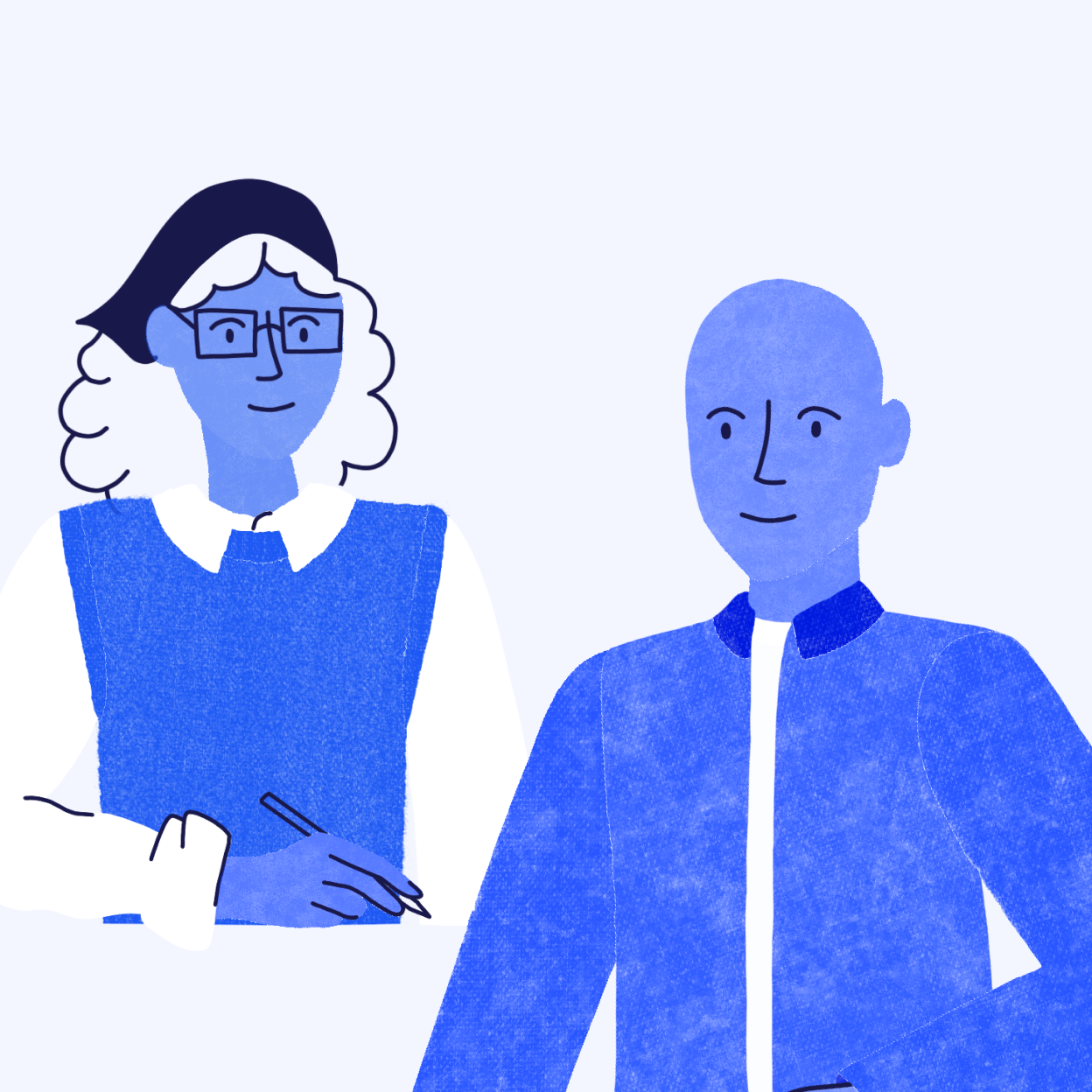
Engaging with your employees to increase their awareness of mental health in the workplace is a priority.
-
TaskHave a clear plan for mental health across your workplace
Ensure employers establish an inclusive, actionable mental health strategy.
-
TaskEstablish fair and inclusive policies and procedures
This action ensures workplace policies are legally compliant, inclusive, and fair.
-
TaskDemonstrate your commitment to mental health at work
This action embeds mental health into an organisation’s core identity and leadership agenda.
Help your employees to understand their role in positive mental wellbeing. Help build confidence in your team and reduce stigma.
-
TaskProtect people from harm at work
This action proactively safeguards employees by mitigating workplace hazards and misconduct.
-
TaskCreate a safe and supportive environment that protects mental health.
This action fosters an open, respectful, and confidential workplace culture.
-
TaskSupport flexible ways of working
This action empowers businesses to accommodate the diverse life stages and unexpected needs of their workforce by offering adaptable hours, locations, and transition plans.
Implement a solid approach to prevent bullying & discrimination and use sustainable methods to support employees.
-
TaskSupport physical activity for good mental health
This action champions the vital link between movement and mental wellbeing by integrating physical activity directly into the working day.
-
TaskSupport self-care for good mental health
This action empowers employees to actively manage their wellbeing by embedding and normalising self-care practices within the working day.
-
TaskProvide a variety of mental health support options
This action ensures that employees have immediate access to a diverse ecosystem of mental health resources tailored to their individual preferences and needs.
Get Involved

The Leeds Mindful Employer Network brings local employers together to champion positive mental health at work. The Network is unique to Leeds, putting the city at the forefront of workplace mental health and wellbeing.

Becoming a Mindful Employer opens your business and staff up to a bunch of benefits. From quarterly peer support events to learn and newsletters and bulletins to keep you informed to local training, tools and resources.