


National Inclusion Week: Inclusion starts with understanding
Could you tell us about Inclusion North's work and the people you support?
Inclusion North exists to make inclusion a reality for people with a learning disability, autistic people and their families.
Our values are equality, rights, justice and inclusion for all. We believe everyone should have the opportunity to live the life they choose, have choice and control, and be included in the things that matter to them.
We work with councils, NHS organisations, care and support providers, employers, charities and communities across the North East, Yorkshire and Humber.
What makes Inclusion North different is that people with lived experience do not just influence our work, they help lead it. Half of our Board of Directors have lived experience, 93% of our Advisory Council have lived experience and our Expert Hub is made up entirely of people with lived experience. Their insight shapes our priorities, challenges our thinking and helps ensure that the decisions we make are grounded in real-world experience.
Because people with lived experience help lead our organisation, inclusion is not something we talk about. It is something we put into practice every day.
What motivated Inclusion North to join the Leeds Mindful Employer Network?
We joined because we believe creating inclusive workplaces is everyone's responsibility.
Many employers want to improve wellbeing, remove barriers and create opportunities for people to succeed, but are not always sure where to start. The Leeds Mindful Employer Network brings together organisations that are committed to making a positive difference, making it a natural fit for Inclusion North.
Being part of the Network allows us to share what we have learned from working alongside people who experience barriers to inclusion, while learning from others who are equally committed to creating workplaces where people can thrive.
What does being a Mindful Employer Charter Signatory mean to your organisation?
It means making a commitment to creating a workplace where wellbeing matters.
We want people to feel comfortable talking about the support they need and confident that they will be listened to.
What does a genuinely inclusive workplace look and feel like to Inclusion North?
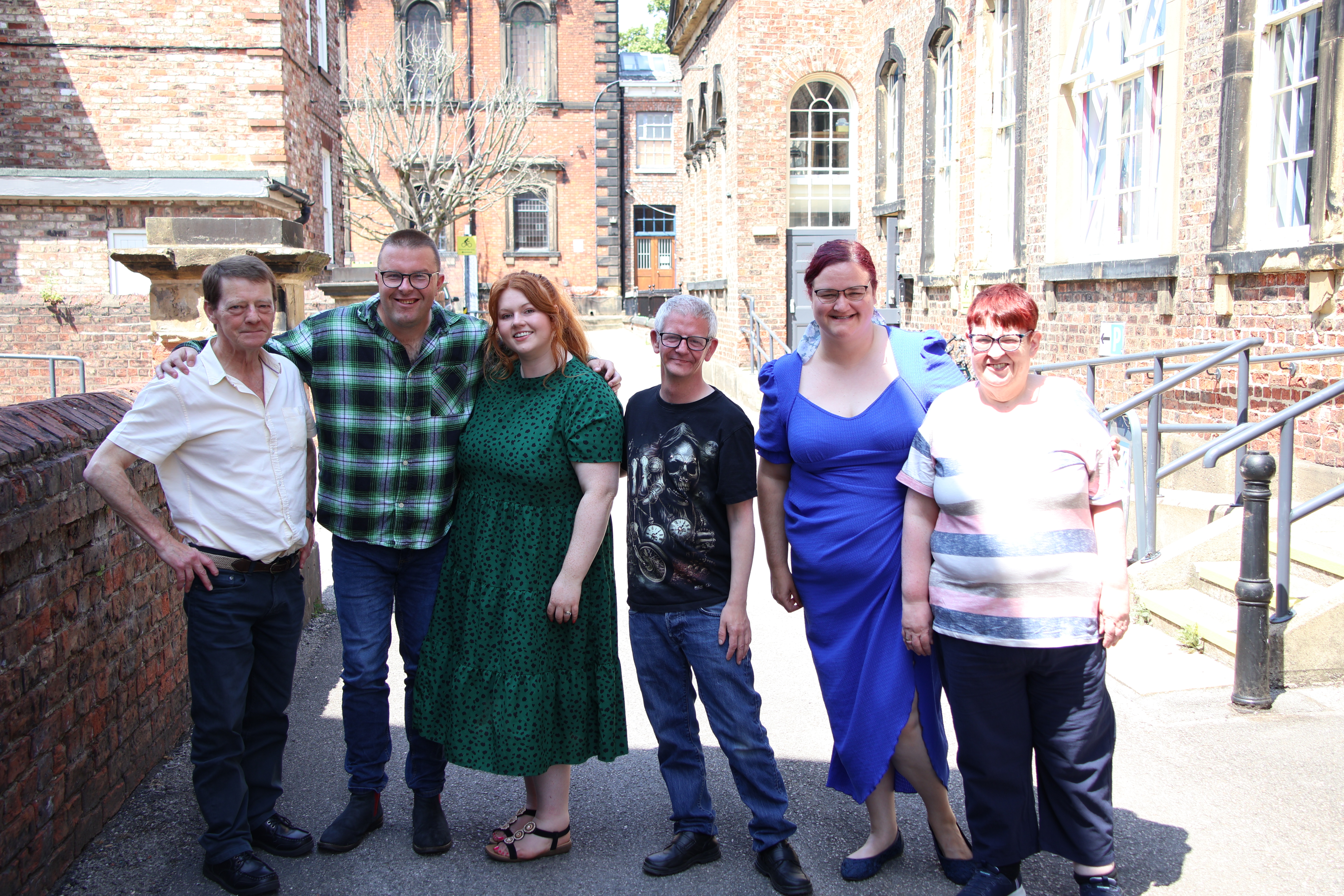
A genuinely inclusive workplace is one where everyone feels they belong.
It is a place where people are valued for who they are, where different experiences and ways of thinking are welcomed, and where everyone has the opportunity to contribute and succeed.
An inclusive workplace does not expect everyone to work, learn or communicate in the same way. It recognises that people have different strengths, needs and preferences and is flexible enough to support those differences.
It is also a place where people's roles reflect their strengths. Rather than focusing on what people cannot do, inclusive employers recognise individual talents, skills and experiences and create opportunities for people to use them. When people are supported to play to their strengths, they are more likely to be confident, productive and successful at work.
Importantly, inclusion should not sit with HR, a wellbeing lead or a single team. Everyone has a role to play in creating a workplace where people can contribute and thrive.
For us, inclusion is about more than being invited in. It is about being able to take part, contribute, influence decisions and feel that your voice matters.
How are workplace inclusion and employees' mental health and wellbeing connected?
They are closely connected.
When people feel respected, included and able to be themselves, they are more likely to have positive wellbeing. When people experience barriers, feel isolated or feel unable to be themselves at work, it can affect confidence, wellbeing and job satisfaction.
Creating inclusive workplaces helps create healthier workplaces.
What common barriers can prevent people with a learning disability or autistic people from feeling fully included at work?
Communication is often one of the biggest barriers.
Information can be difficult to understand, recruitment processes can be confusing and workplace expectations are not always explained clearly. People may also face assumptions about what they can or cannot do, which can limit opportunities.
Another common barrier is when decisions are made without involving the people affected by them.
Too often, organisations make decisions about policies, services, workplace practices or support without asking the people who will be most affected. This can lead to solutions that do not meet people's needs and can leave people feeling unheard or excluded.
At Inclusion North, we believe in the principle of "Nothing About Us Without Us."
People with lived experience are experts in their own lives. Inclusion is not just about listening to people. It is about involving them in decisions and recognising the value of their knowledge and experience.
We also believe everyone has the right to information they can understand and use.
Accessible information is not a nice extra. It is a key part of equality, choice and inclusion.
That is why plain English, Easy Read and meaningful involvement are so important.
What practical changes can employers make to create more inclusive and accessible workplaces?
Simple changes can have a big impact.
Use plain English.
Provide information in accessible formats, including Easy Read.
Review recruitment processes to remove unnecessary barriers.
Offer reasonable adjustments.
Give clear instructions and constructive feedback.
Train managers and teams in inclusion and accessibility.
Create opportunities for staff to share their views.
Involve people in designing solutions rather than making assumptions about what they need.
Our Mentally Healthy Workplace Toolkit aims to help employers turn good intentions into practical action. From Inclusion North's perspective, what should employers consider to ensure their approach to workplace mental health is genuinely inclusive and accessible?
Support can only be effective if people can access and understand it.
Employers should consider whether their wellbeing policies, resources and support services work for everyone.
A simple but powerful question to ask is:
"Can everyone understand and use the information we provide?"
If the answer is no, there is an opportunity to make improvements.
What other ways can organisations work with Inclusion North to improve inclusion and accessibility?
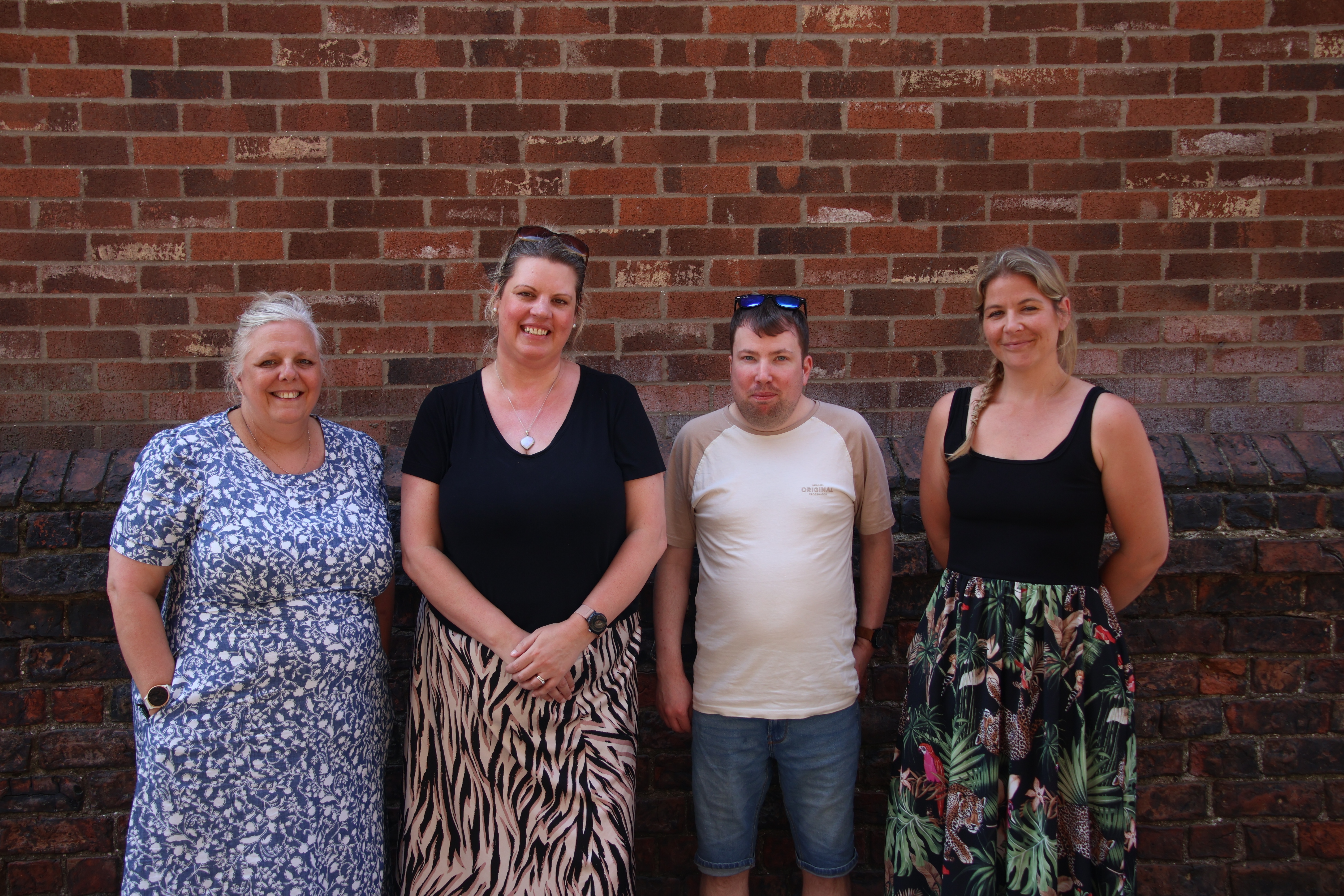 Many organisations want to be more inclusive but are not always sure where to start, and that's absolutely fine. Organisations do not need to know exactly what support they need before they approach us.
At Inclusion North, we work alongside organisations to understand where barriers exist and identify practical ways to remove them.
Our support includes:
Training and development on learning disability, autism, co-production, lived experience involvement, inclusive recruitment and leadership.
Accessibility reviews to help organisations understand how inclusive their information, services and processes are.
Easy Read and accessible information support, ensuring people can access and understand important information.
Co-production and lived experience involvement, helping organisations work meaningfully with people who have direct experience of the issues being addressed.
Inclusive recruitment support to help employers attract, recruit and retain diverse talent.
Bespoke consultancy and project work tailored to an organisation's goals, challenges and priorities.
What makes our approach different is that the work is shaped by people with lived experience. We combine professional expertise with lived experience expertise to create practical solutions that lead to meaningful change.
What has Inclusion North's Chief Executive, Hannah Tough, learned personally about inclusion through leading Inclusion North?
Leading Inclusion North has taught me that inclusion starts with listening.
One of the most important lessons I have learned is that leadership is not about having all the answers. It is about creating the conditions where different voices can be heard, valued and acted upon.
The people we work alongside bring expertise through lived experience that cannot be learned from a textbook or policy document. Being open to challenge, genuinely listening to what people tell us and being prepared to rethink our assumptions has made me a better leader and helped strengthen our organisation.
National Inclusion Week is a chance for employers to reflect on their progress and think about what more they can do. What are your top tips for creating a more inclusive workplace?
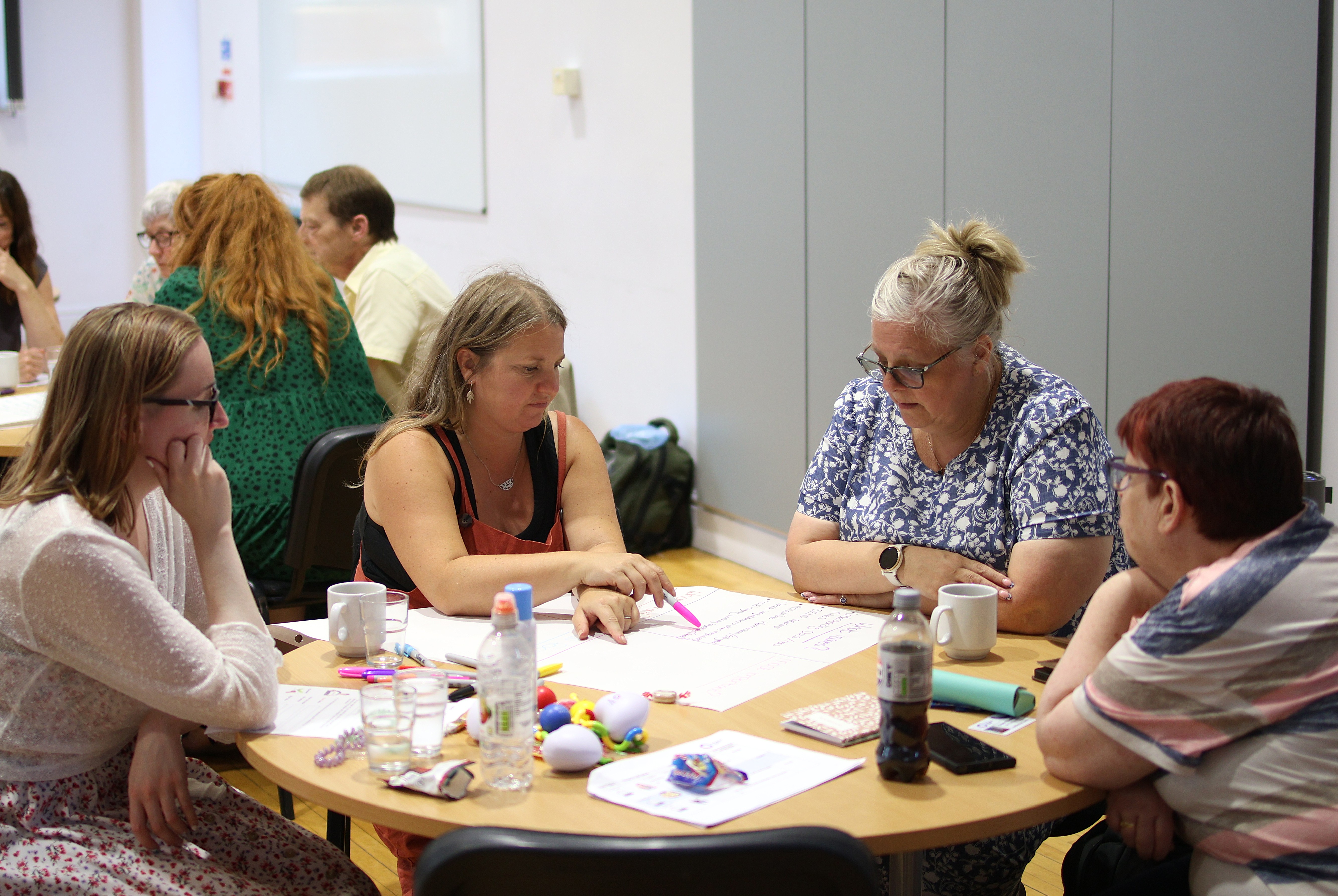 National Inclusion Week is a great opportunity to move beyond good intentions and focus on practical action.
Our top tips:
Listen to people with lived experience
The people who experience barriers are often best placed to identify what needs to change.Make communication accessible
Use plain English and accessible formats so everyone can understand and use the information you provide.Look for barriers and remove them
Review recruitment, policies, workplace culture and everyday practices to identify where people may be excluded.
If there is one action we would encourage employers to take, it would be this:
Ask people what helps them feel included and what gets in the way. Then act on what you hear.
Inclusion starts with understanding. Real inclusion happens when people are listened to, involved and valued.
Thank you so much to Kim and Hannah at Inclusion North for contributing to this blog.
Find out more about Inclusion North
Find out how to get involved in National Inclusion Week.
Join the Leeds Mindful Employer Network.
Sign the national Mindful Employer Charter.
Check out our new Mentally Healthy Workplace Toolkit.
Would you like your organisation to feature in an employer spotlight? Drop us an email at mindfulemployer@leedsmind.org.uk to tell us your story.