


In Practice: Neuroinclusion at Work: Moving Beyond Awareness
With ADHD Awareness Month approaching in October, September provides a useful opportunity for employers to think more broadly about neuroinclusion at work.
Awareness matters. But creating a genuinely neuroinclusive workplace requires organisations to go further, looking at how people experience work, the barriers that may exist within it, and what can be changed to help more people work at their best.
This raises an important question:
Are we waiting for people to tell us what is ‘wrong’ before looking at what could work better?
Moving beyond diagnosis
In her conference session Managing Neurodiverse Sickness Absence: Understanding and Education, Kathryn Wood from Medigold challenged employers at the Health and Wellbeing at Work Conference to think beyond diagnosed conditions when considering neuroinclusion.
Focusing support only on employees with a diagnosis can mean opportunities to remove workplace barriers are missed.
Kathryn emphasised the importance of giving managers the confidence to have these conversations and ask useful questions, without feeling they need specialist knowledge.
As she put it:
“You don’t need to be an expert, but you need to know to ask the right questions.”
This could be as simple as asking what helps someone work well, what gets in the way, where their strengths lie and what changes might make a difference.
Rather than asking what condition somebody has and then trying to determine what support goes with it, employers can explore the individual's experience of work:
What helps them bring their best?
What gets in the way?
Where are their strengths?
What changes could make the biggest difference?
Bringing this kind of curiosity to workplace conversations can benefit everyone, not only employees who identify as neurodivergent.
Look for strengths and barriers
A strong theme from Kathryn's session was the importance of recognising different ways of working rather than expecting everybody to work in the same way.
Neuroinclusion isn't simply about identifying where somebody is struggling. It also means understanding their strengths and considering whether aspects of the workplace are preventing them from using those strengths effectively.
Sometimes relatively straightforward changes can make a significant difference to somebody's experience of work.
Kathryn encouraged employers to consider areas including:
how information is communicated
providing meeting agendas in advance
allowing appropriate planning and processing time
sensory aspects of the working environment
providing structure and minimising unnecessary multitasking
flexibility within absence and return-to-work processes
regular conversations and reviews rather than treating support as a one-off intervention.
The principle behind these actions is important: support should respond to the person and the barriers they experience, rather than assuming the same solution will work for everybody.
What neurodivergent people told us
These themes also reflect what we have heard closer to home.
As part of our work exploring Neurodivergent Employment Challenges , earlier this year the Leeds Mindful Employer Network surveyed 75 neurodivergent people working or looking for work in Leeds, to build a broader picture of their experiences and the barriers they faced both in finding work and within the workplace.
When asked about barriers to performing at their best in a new role, people described vague instructions, unclear expectations, receiving too much information too quickly, sudden changes and challenges within the working environment. Noisy open-plan offices, bright lights, hot-desking, a lack of structure and limited access to quiet spaces were among the environmental barriers identified.
When asked how managers could help them bring their best to work, responses included clear instructions and deadlines, meeting agendas, regular check-ins, consistent routines, flexibility, opportunities for breaks or quiet space, and simply listening to what people need.
The survey also highlighted an important challenge around disclosure. Almost a third of respondents said they would not feel comfortable disclosing neurodivergence, with a further 19% saying it would depend on the employer.
Reasons people gave included fear of judgement or discrimination, concerns about being seen as difficult or receiving special treatment, and uncertainty about what needs or accommodations they could actually ask for.
That last point is particularly important. Asking “What do you need?” is valuable, but people may not always know immediately what would help. Creating space to explore this together can be just as important as the question itself.
Psychological safety matters too
Practical changes are only part of the picture.
Employees need to feel able to talk about what helps them work effectively without fearing that being open about difference will count against them.
At the conference, Kathryn highlighted psychological safety as something that benefits everyone. A workplace where people feel comfortable talking about difference, asking for what they need and learning without blame can also help reduce some of the stress and anxiety associated with masking.
Again, this doesn't require a manager to have all the answers.
It requires curiosity, listening and a willingness to ask rather than assume.
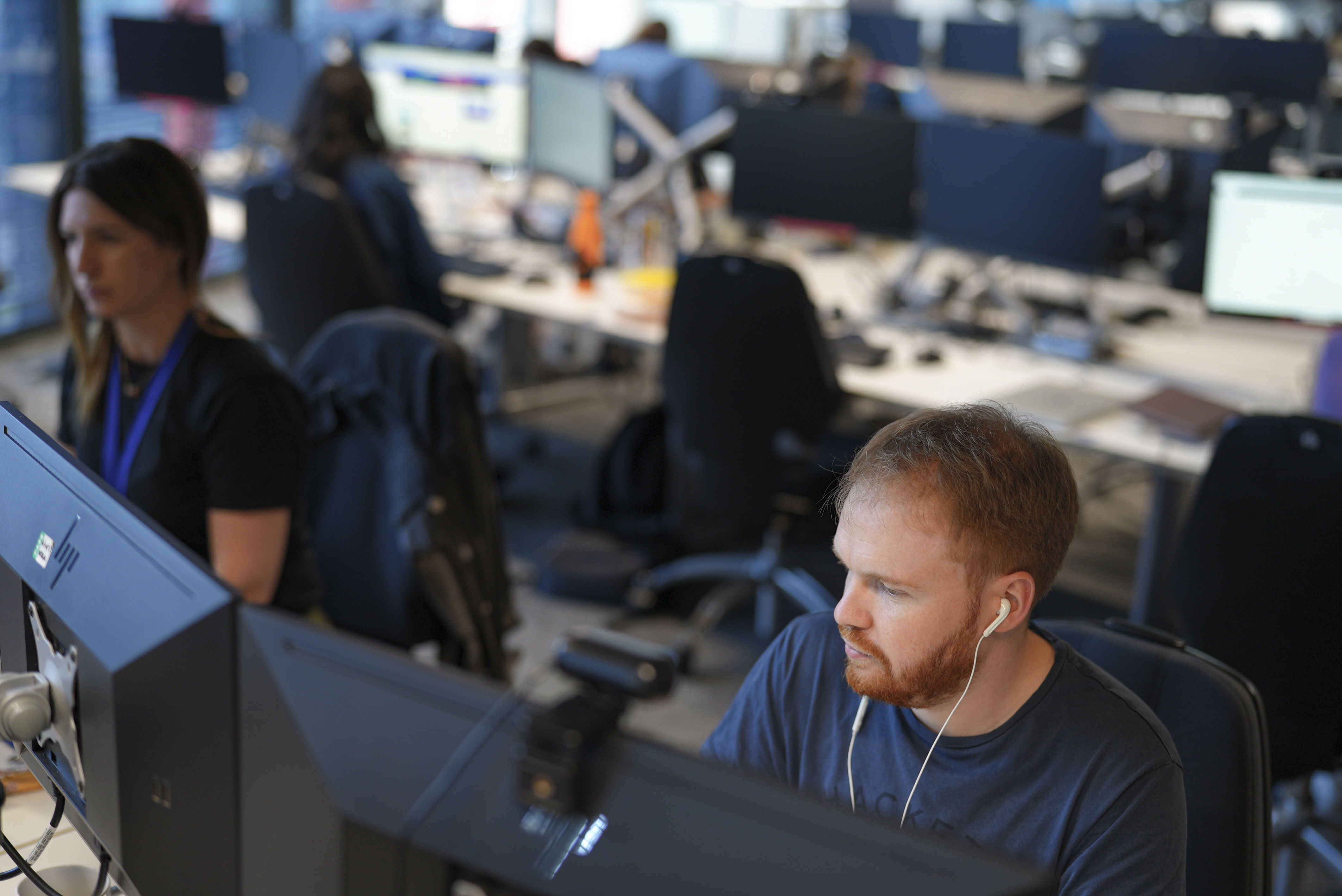
Neuroinclusion is also about how work is designed
A second conference session took the conversation beyond individual support and into the design of work itself.
Professor Almuth McDowall's session, Supporting neurodiverse remote and hybrid workers to work effectively, explored what employers can learn about neuroinclusion from the changing ways in which people work.
Her starting point was broader than neurodivergence alone: how do we support all workers to work effectively?
Remote and hybrid working can provide benefits such as greater autonomy, flexibility and more control over the sensory environment.
But flexibility alone doesn't automatically make work inclusive.
Unclear expectations can create stress. Hot-desking can be destabilising for some people. And an arrangement described as “flexible” may still be difficult to navigate if employees don't have clarity about what is expected of them.
The challenge for employers is to understand where, when and how people work most effectively.
This goes further than simply offering flexibility. It means creating opportunities for people to explore what works best for them — trying different approaches, reflecting on what helps or creates barriers, and recognising that the right solution may take time to identify and may change over time.
This might mean conversations about working environment, communication, structure, autonomy and preferences, and, where possible, involving employees in designing ways of working that enable them to perform at their best.
Putting this into practice: User Map of Me
One way local mental health charity Leeds Mind supports these conversations in practice is through the User Map of Me.
Importantly, this isn't a tool specifically for neurodivergent colleagues. Everyone at Leeds Mind is encouraged to complete one, recognising that we all have different preferences, strengths and ways of working.
The User Map of Me provides prompts around the conditions someone likes to work in, when they are most productive, how they prefer to communicate and receive feedback, things they need, things they struggle with and other information that can help colleagues understand how they work best.
It is intended as a conversation tool rather than an assessment. The individual chooses what they include, who they share it with and when they update it. Leeds Mind's guidance also makes clear that it should be voluntary and should not require people to disclose personal information.
Because everyone is encouraged to complete a User Map, these conversations don't depend on someone having a diagnosis or choosing to disclose one. Talking about how people work best - their individual preferences, communication styles and what helps or gets in the way - becomes a normal part of working together.
One colleague reflected that before completing a User Map of Me, they had "never even thought about the ways in which I work best". Having previously adapted to ways of working that suited the organisation rather than considering what worked for them, the process created an opportunity for a more meaningful conversation with their manager. Together, they explored preferences, strengths and support needs, which they felt had contributed to greater engagement, productivity and happiness at work.
From an organisational perspective, the User Map of Me can also be used in one-to-ones, induction, supervision and appraisal, within teams and in hybrid or remote working.
As Eloise Bell, Director of People, Culture and Governance at Leeds Mind, explains:
"At Leeds Mind, we want every employee to feel understood and able to do their best work in our communities. The User Map of Me is an accessible tool that helps managers and employees stay curious and understand how we all work best."
Taking this universal approach helps avoid singling out or "othering" neurodivergent colleagues, while creating opportunities for everyone to reflect on their strengths, preferences and support needs. Ultimately, the aim is not only to support inclusion but also to help colleagues feel a stronger sense of belonging and deliver better outcomes for clients.
What this means in practice
Taken together, the conference learning, our survey findings and experience from within Leeds Mind point to two sides of neuroinclusion.
There is the individual experience of work; understanding someone's strengths, needs and barriers and responding appropriately. But there is also the design of work itself; considering whether working practices, environments and expectations are creating barriers that don't need to be there.
For employers, practical starting points include:
Ask rather than assume. Explore what helps somebody work effectively and what makes work more difficult.
Don't wait for a diagnosis. Employees may benefit from different ways of working regardless of whether they have disclosed, sought or received a diagnosis.
Help people explore what works. Someone may not immediately know what change or adjustment would make a difference.
Look at strengths as well as difficulties. Consider whether your current ways of working allow people to use what they do well.
Review communication. Think about clarity, how information is shared, advance notice and whether employees have sufficient time to process and plan.
Consider the working environment. Noise, interruptions, hot-desking and other sensory factors may affect people differently.
Provide clarity alongside flexibility. Flexible working is most useful when people also understand expectations and have enough structure to work effectively.
Make support an ongoing conversation. Needs can change, and adjustments should be reviewed rather than agreed once and forgotten.
Build psychological safety. Make it easier for employees to talk about how they work best without requiring them to justify difference.
None of these actions requires a manager to become a neurodiversity expert. They require organisations to become better at understanding how their people experience work.
Supporting Your People and Designing Good Work
This thinking is reflected across two themes within the Leeds Mindful Employer Network's Mentally Healthy Workplace Toolkit.
Supporting Your People encourages employers to think about how people are supported when they need it — including the role of managers, workplace conversations and creating an environment where people feel able to access support.
But neuroinclusion is not only about responding to individual need.
Designing Good Work asks employers to look at the work itself: how jobs are structured, how people communicate, the expectations placed upon employees and whether working practices enable people to thrive.
Viewed together, the two themes provide a useful question for employers considering neuroinclusion:
Are we asking people to adapt to the workplace, or are we also asking where the workplace can adapt?
From awareness to action
ADHD Awareness Month provides an opportunity to increase understanding of one form of neurodivergence.
But the wider opportunity for employers is to use that awareness to look more critically at everyday working practices.
You don't need to know everything about every neurodivergent condition before beginning. Start with your people.
Ask what helps them work well. Listen to where barriers exist. Give people space to explore what might help when they don't yet have the answer. Look at what can realistically be changed. And consider whether some of those changes might make work better for everyone.
Final thought
A neuroinclusive workplace isn't created by awareness alone.
It is created through the everyday experience of work — how people are managed, how clearly expectations are communicated, how much flexibility and autonomy people have, whether difference feels safe to discuss, and whether unnecessary barriers are recognised and removed.
Sometimes the most useful question isn't “What support does this condition require?”
It is simply:
“What do you need to do your best work?”
Useful Links
Leeds Mindful Employer Network — Mentally Healthy Workplace Toolkit
User Map of Me — template
User Map of Me — guidance for organisations