


“Wellbeing Isn’t a Programme. It’s People Looking Out for People”: Lessons from TRU East Alliance’s Approach to Workplace Wellbeing
Wellbeing isn't a programme. It's people looking out for people.
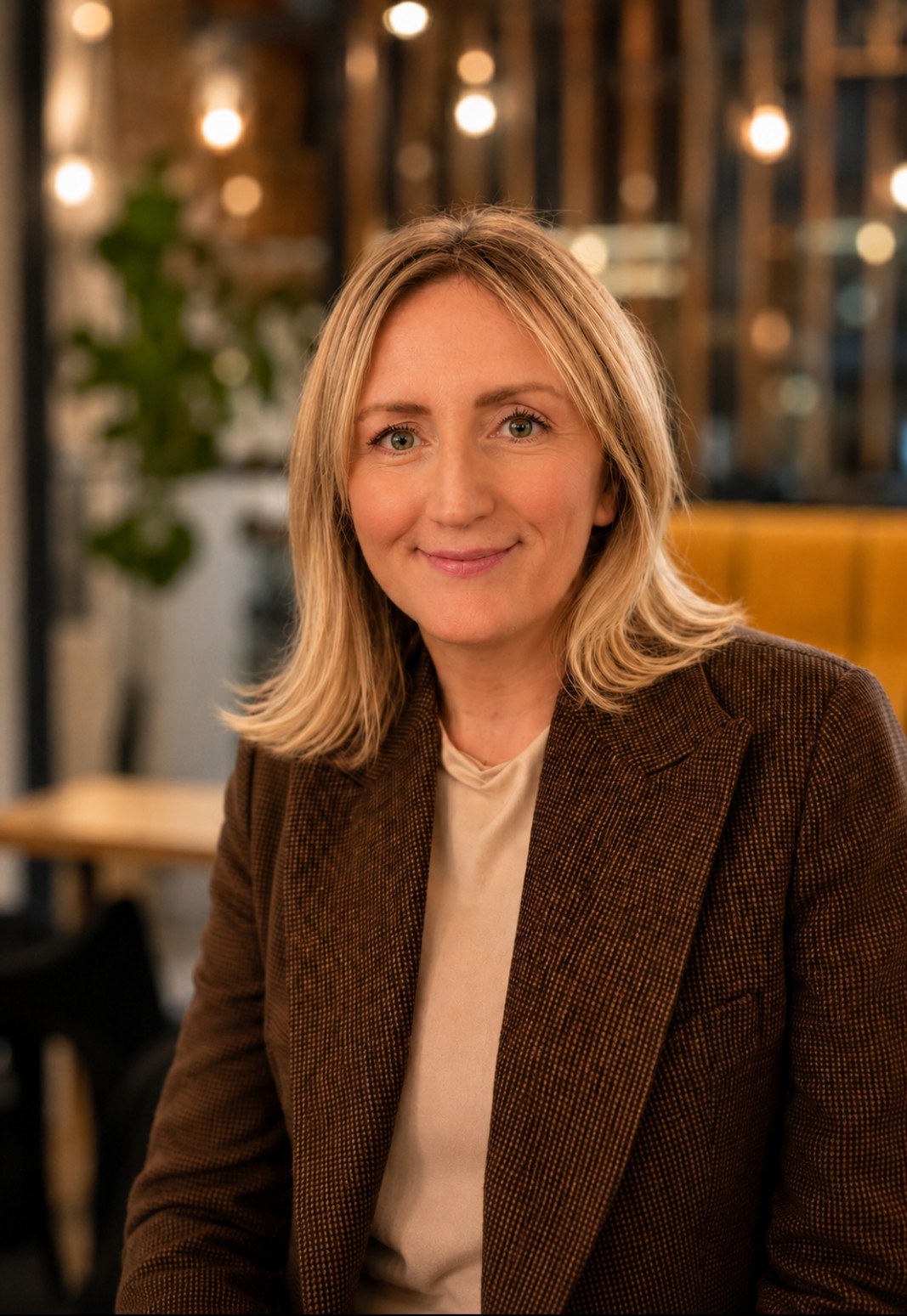
I'm Lou Murray and I'm the Health and Wellbeing Lead working for Murphy's on the Transpennine Route Upgrade (TRU) East Alliance. For anyone who doesn't know it, we're part of a huge programme upgrading the railway across the North. It's a partnership between Network Rail, Murphy's, Volker Rail, Siemens, and SYSTRA, all working together as one Alliance to deliver a better railway for the future.
On paper, my job is about health and wellbeing. In reality, it's about people. And that's what I love about it. One of the best things about TRU East is the people. We've got colleagues from different organisations, different generations, different backgrounds and with very different experiences. Like any Alliance, we bring together people from different organisations and backgrounds, which creates valuable opportunities to learn from each other and share good practice. Everyone brings something different to the table and that's one of our biggest strengths.
A lot of our people also work away from home during the week. They're living in digs, hotels or temporary accommodation while working long shifts on a major infrastructure project. Being away from family, friends, and everything that's familiar can be tough. It can be lonely. It can be isolating. And that's why wellbeing has to be more than just a few posters on a wall.
Our vision on TRU East is simple: Everyone home safe and well every day. And when we say ‘well’, we mean physically, mentally, and emotionally.
Building a culture of trust and support
Anyone who works in construction or rail will know that the wellbeing statistics across our industries aren't always great reading. We know people can struggle with mental health, fatigue, loneliness, financial pressures, and a whole host of other challenges.
That's why creating an environment where people feel comfortable speaking up and asking for help is so important. If we can encourage those conversations early, hopefully we stop people reaching crisis point in the first place.
One thing I've learned in my career is that there is absolutely no one-size-fits-all approach to wellbeing. People are different. What works brilliantly for one person might do absolutely nothing for someone else.
That's why wellbeing can't be a tick-box exercise. It isn't about delivering one campaign and hoping that fixes everything.
For me, wellbeing is in the everyday stuff. It's how you say good morning to someone. It's how you respond when they're having a bad day. It's how managers react when someone says they're struggling. It's how we treat each other when deadlines are tight and pressures are high.
Wellbeing isn't an initiative. It's culture. If there's one thing I'd encourage anyone working in wellbeing, leadership, or management to do, it's get out and see your people. Being visible makes a massive difference. You can't be everywhere all the time, but you can make yourself accessible. You can visit sites, spend time in offices, answer the phone, reply to messages, and make time for conversations.
People are much more likely to talk to you when they know you, trust you and have seen you around before. Trust isn't built during a crisis. It's built in all the little interactions beforehand. And honestly, some of the best conversations I've ever had didn’t happen in meeting rooms. They happened while walking around a site, grabbing a cuppa or simply checking in with someone.
Making support accessible
We've tried lots of different initiatives across the Alliance, but the common theme is making support easy to access.
One example is our partnership with Raiys and the introduction of a 24/7 health kiosk that moves around different project locations. Our people can check things like blood pressure and other health measures whenever they want. No appointments. No waiting. No pressure. What stood out most from the anonymous data were the trends linked to fatigue and physical strain. By reviewing the anonymous, aggregated health information, we were able to identify areas where additional support was needed, prompting a greater focus on fatigue awareness, sleep and recovery.
Because fatigue isn't just about safety. It affects your mood, concentration, relationships, and overall wellbeing. We've also worked with Professor Jason Ellis and The Sleep Charity, delivering sessions to help people understand the importance of good sleep and recovery.
Mental health is getting talked about much more now, which is brilliant. But there are still topics that people don't feel comfortable discussing. Financial wellbeing is one of them. Gambling harms is another. When I started reviewing national research on gambling harms, I started considering factors that can affect people working in industries such as ours.
People working away from home. Long shifts. Night work. Time alone. Constant access to phones. It felt like something we needed to talk about. I'll be honest, I wasn't sure how it would be received because it's not traditionally a topic that's discussed in rail or construction. Thankfully, our senior leaders backed it completely. Working with GamLEARN, we delivered sessions across days, nights and early mornings, and the response was incredible. People engaged. People asked questions. People shared experiences. Most importantly, people learned where to get help if they needed it. We've done similar work around financial wellbeing with Lighthouse Construction Charity and independent advisers because money worries can have a huge impact on every aspect of someone's life. For me, good wellbeing is about prevention, not just intervention. It's about tackling some of the things sitting underneath poor mental health before they become bigger problems.
Taking a whole-person approach
One thing I talk about a lot is the fact that everything is connected. Poor sleep affects mental health. Financial worries affect sleep. Stress affects physical health. Physical health affects mood and confidence.
None of these things sit neatly in their own little boxes. That's why we've always tried to take a whole-person approach. Because people don't leave parts of themselves at the gate when they come to work.
We've also built a fantastic network of support across the Alliance through our Mental Health First Aiders and TRiM Practitioners. They play different roles, but they're equally important. Our Mental Health First Aiders help spot when someone might be struggling and support them towards the right help. Our TRiM Practitioners support people following potentially traumatic incidents, helping to identify when additional support may be needed. None of these people are counsellors or therapists. They're colleagues helping colleagues. And sometimes knowing there's someone there to listen can make all the difference.
The power of everyday conversations
When people ask me what wellbeing initiatives have had the biggest impact, they may expect some ground breaking answer. The truth is, it's usually the simple things. Checking in. Walking around site. Having a chat. Making time for conversations. Listening properly. Those things cost very little but can make a huge difference. Because wellbeing isn't built through awareness days alone. It's built through relationships. The truth is that we still have a long way to go.
Wellbeing is never finished and there will always be new challenges, new conversations and new opportunities to do better.
We're constantly learning from our people, from each other, and from organisations outside our industry. What worked yesterday might not be enough tomorrow, and that's okay. The important thing is that we keep listening, keep learning and keep improving. Because wellbeing isn't something you complete, it's an ongoing commitment to making sure people feel supported, valued and able to thrive.
Learning from others
I've also really valued being part of the Leeds Mindful Employer Network. This fantastic network brings together organisations from across the region that are all trying to improve workplace wellbeing and mental health. It's a great opportunity to share ideas, learn from others, hear what's working elsewhere and take away practical approaches that can make a real difference. None of us have all the answers when it comes to wellbeing, so having a network where people can learn from each other's experiences is incredibly valuable.
Don't overcomplicate wellbeing
If I could leave organisations with one piece of advice, it would be this: Don't overcomplicate wellbeing. Go and see your people. Talk to them. Listen to them. Build trust. Be visible.
Create opportunities for conversations. Because when people feel connected, valued, and supported, they're far more likely to speak up when they're struggling and far more likely to support the people around them.
And ultimately, that's what workplace wellbeing is all about. People looking out for people.
Thanks to Lou for sharing her insights and experiences with Network members through this article.
The Leeds Mindful Employer Network is free and simple to join via this short sign up form.