


Designing Connection with Purpose
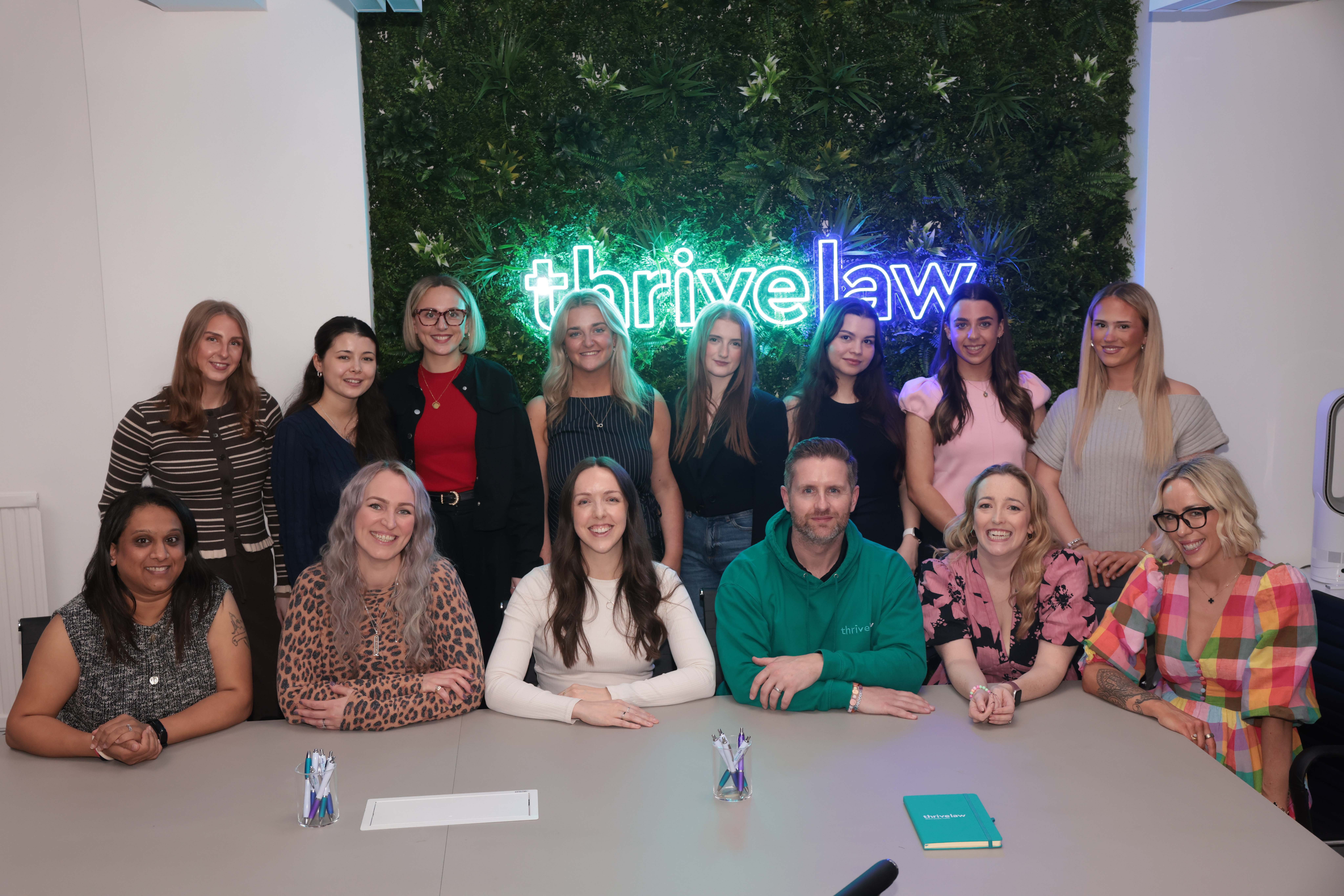
The challenge
Thrive Law recognised that connection and inclusion cannot be left to chance, particularly in remote and hybrid teams. Without intentional action, colleagues can feel isolated, communication can become transactional and people may be less likely to speak up, share ideas or ask for support. The organisation wanted to create an environment where people felt known as individuals, comfortable contributing and able to bring their whole selves to work.
Approach in practice
As a fully distributed organisation, Thrive Law has intentionally designed the way colleagues connect, communicate and support one another. Rather than relying on informal interactions, the organisation has embedded simple but consistent practices that help people build relationships and feel part of the team, regardless of where they work.
Every team meeting begins with a non-work question as a commitment to getting to know one another beyond work. Thrive also celebrates individual wins publicly, recognising not only professional achievements but also personal moments that matter to colleagues. Managers are encouraged to ask about capacity, not just workload, creating opportunities for more meaningful conversations about how people are really doing.
Alongside these everyday practices, Thrive encourages managers to understand how each person communicates best, what helps them feel connected and what enables them to do their best work. The organisation also treats remote working as a way of working that deserves the same investment as office-based working, recognising that connection, communication and inclusion need to be intentionally designed rather than left to happen naturally.
Impact and learning
Thrive's approach demonstrates that creating psychologically safe workplaces is less about isolated wellbeing initiatives and more about intentionally designing how people connect, communicate and support one another.
The organisation believes that psychological safety is built through everyday interactions rather than one-off initiatives. Small, consistent actions that help people feel known, listened to and valued can strengthen trust, encourage open conversations and create a workplace where people feel able to contribute and ask for support when they need it.
Key takeaway for other employers
Psychological safety and connection do not happen by accident. Intentionally designing how people connect, communicate and support one another—whether they work remotely, in hybrid teams or together on site—can help create a workplace where people feel valued, included and confident to speak up.